Research
GHub Platform · Гайд · 0 ответов · 17 просмотров
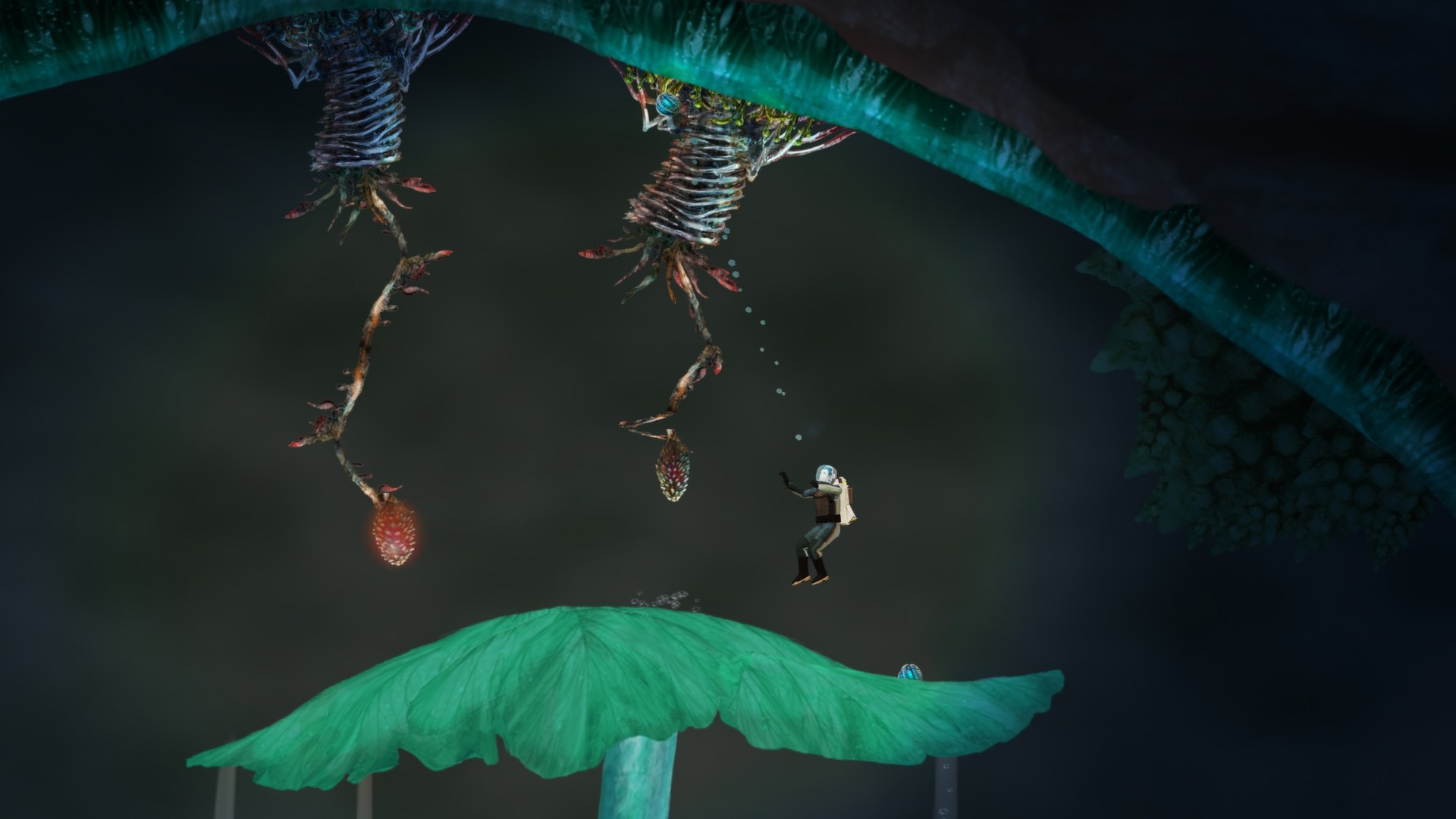
Abstract Lethe Cavern is a highly exotic and dangerous environment. Abstract These hardy lifeforms grow across narrow sections of the cave, completely sealing them with a thick, filmy membrane. They are classified according to the Biomass level at which they open. Cerebrane are selectively porous and osmose nutrients out of the air. The biological compounds they consume are produced in higher concentrations as Biomass is created locally, and once a threshold is crossed, they retract into a later stage of their life cycle. Abstract Locations where Zoa can be planted. A given Zoa species will take root in some but not other types of Fertile Terrain. Fertile Terrain is classified according to its nutritive properties and pH level. A class of small and microscopic organisms called Echnia perform a similar function to those on Earth which break down bedrock into usable soil. Where Echnia thrive, Zoa can anchor and extract sustenance. Abstract Biomass 15 or (when watered) 20. These Zoa consume available minerals in the rock and release gasses (primarily nitrogen and oxygen) as waste. Like most Martian lifeforms, the Zoa class are neither true plants nor animals and are characterized by extremely rapid growth between life stages and superior metabolic efficiency. Abstract Biomass 10. Hydron Zoa have the remarkable ability to extract chemical nutrients from Fertile Terrain and metabolize it into liquid water, which they store abundantly in mucilaginous substances and partially release into their surroundings as vapor. Abstract Biomass 5 per Phyte. Phyta are a class of mobile lifeforms that are shy and tend to appear in groups. They are radially symmetric, consisting of a central disc surrounded by several legs whose clinging strength enable a Phyte to walk on vertical surfaces and jump great distances. Phyta sense their surroundings using a process similar to echolocation which is both produced and received by the same pair of antenna emerging from their apical end. Abstract Biomass 40. The acidophilic Prax Zoa are one of the top predators of Lethe Cavern, consuming smaller lifeforms. They have been described as "aggressive" and "curious." They have prehensile stems that move quickly to attack prey and repel threats. Because Prax Zoa only take root in Acidic Fertile Terrain, they have no Enriched Form. Abstract Biomass 30. Larians are an immobile class of lifeform found exclusively on cave ceilings. They are one of the top predators of Lethe Cavern and snare prey by lowering a sticky, glowing tendril. The majority of their body is encased in a nest burrowed out of solid rock, with only their armored mouths emerging. Larian reproduction is extremely slow, involving a centuries-long larval stage. Abstract Biomass 35. Ledon Zoa are distinguished by their seeds, which are inflated, buoyant and fragile. The seeds rise upward with respect to gravity, which results in a symmetric propagation pattern relative to that of other Zoa. Ledon are the largest species of alkaline Zoa and produce abundant biological compounds, especially when they take root in nutritious environments. Abstract Biomass 30. Feran Zoa thrive in extremely hot locations and possess the distinctive feature of producing explosive seeds. Because Feran Zoa only take root in Acidic Fertile Terrain, they have no Enriched Form. Abstract Biomass 5. Cephad Zoa consist of two highly related subspecies, Acidic Cephad and Alkaline Cephad, named for the pH of Fertile Terrain they inhabit and spores they produce. Cephad spores have a tendency over time to destroy and replace existing Zoa, which can result in infestations. Despite this risk, Cephad are useful in that their spores are the only deliberate way to change the pH of Fertile Terrain. Abstract Biomass 30 per Mobile Autobiote. The Cycot is the first confirmed example of autoapobiotic life, meaning that the complete lifeform consists of multiple Autobiotes: separate and autonomous biological units. The Cycot is composed of a single large Sessile Autobiote and several Mobile Autobiotes. The Mobile Autobiotes gather sustenance and provide protection, while the Sessile Autobiote produces new Mobile Autobiotes through a budding process. Abstract The MegaZoa are an order of Zoa that grow to extreme sizes compared to their smaller relatives. Each MegaZoa plays an active role in the Lethe Cavern environment, often in symbiosis with other MegaZoa species. For example, the Calamitocae activate the Feranmaxes, which then melt ice into water which is pumped by the Hydronmaxes. The Alveopyridae gather energy, which can activate Levitrophs. It is not yet understood how the MegaZoa evolved these interactions. --- Источник: https://steamcommunity.com/sharedfiles/filedetails/?id=200779732
ИсточникGHub Platform · автор26.08.2026, 02:07:16
Abstract Lethe Cavern is a highly exotic and dangerous environment. Abstract These hardy lifeforms grow across narrow sections of the cave, completely sealing them with a thick, filmy membrane. They are classified according to the Biomass level at which they open. Cerebrane are…
Войдите, чтобы писать в группе