Sealed Deck Guide
GHub Platform · Гайд · 0 ответов · 17 просмотров
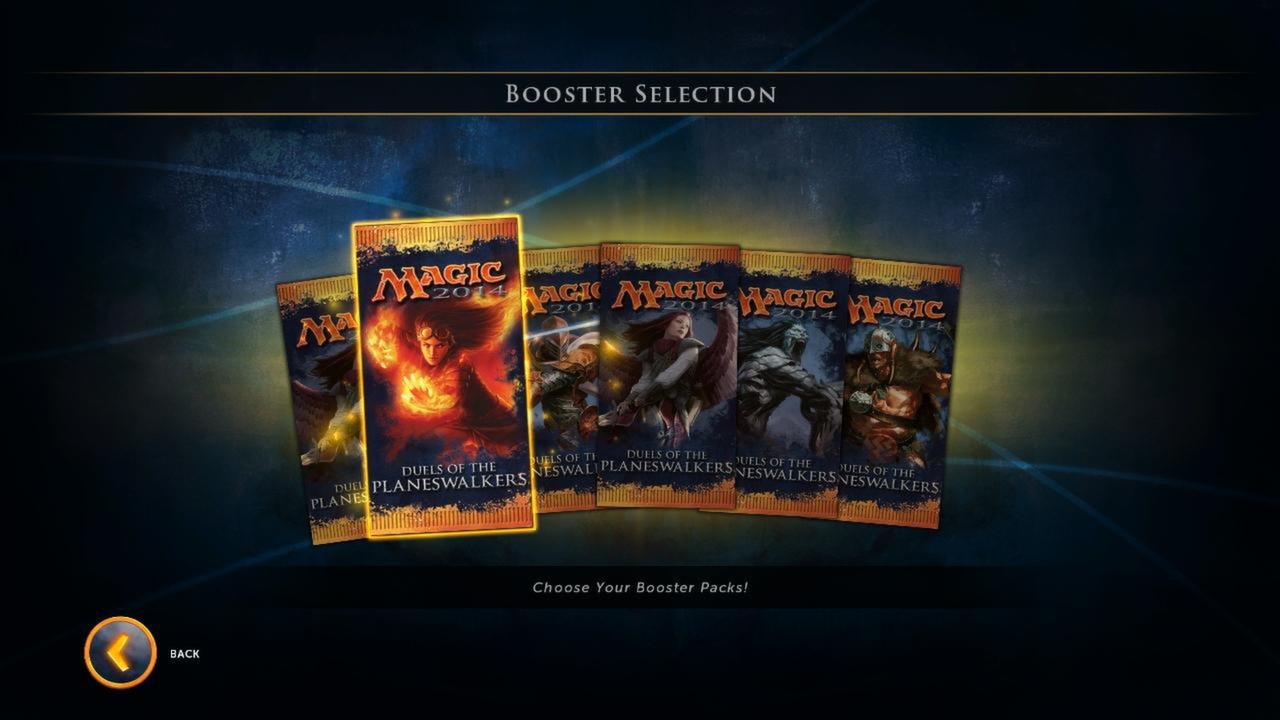
Magic The Gathering can be a very complex game with a lot of moving parts, but this guide will try to keep things simple for newer players. This guide will provide some helpful tips when building a 40-card sealed deck in Magic 2014. As each sealed pool is different, you will have to recognize which tips do and which don’t apply to your situation. But fear not, some universal rules should still apply. Identifying your removal spells, bombs and evasive creatures, having a good curve and building your manabase will all be discussed. 'Sealed' is one of Magic's many formats. In this format you build a 40-card deck (this is the minimum) out of a random card pool, consisting of 6 booster packs. The reason not to play more than 40 is so you have a higher chance of drawing your better cards. All the rules of Magic still apply, the only exception being that you can have more than 4 copies of a specific card in your deck, should you wish to do so. What are ‘removal spells’ and why should you use them? The most straight-forward removal spell in Magic 2014 is Murder . The purpose of removal spells is to remove an opponent’s creature from the battlefield. Not all removal spells are unconditional like Murder . Spells like Hunt the Weak and Shock can also be used to remove unwanted creatures, but they can’t be used in every situation. Removal spells are an important component in a sealed deck, because they can clear the path for your creatures so you can keep attacking, or they can deal with a creature that would otherwise kill you. They can also generate ‘card advantage’, this is the situation where you use one card and the opponent loses two cards. If your opponent has an Oakenform enchanting a Regathan Firecat and you use a Pacisfism on that same Regathan Firecat , you just gained card advantage. The Regathan Firecat is no longer a problem and your creatures can attack where they maybe couldn’t before. What are ‘bombs’ and why should you use them? Bombs are creatures that have a big impact on the battlefield. They usually have high power and toughness and they have the potential to end the game in a few turns. Their converted casting cost is usually 5 and above to balance this out, so you will only see them in the later part of a match. Here are some examples: Bombs are usually found at higher rarities, so you will not encounter them as often as other cards. Cards like these can just win you the game or they can prevent your opponent’s creatures from attacking. You will not always have a lot of bombs to choose from, so you should always strongly consider playing the colors they are in. Most bombs can also generate card advantage. Your opponent might need to block with multiple small creatures to take out your one big creature. This is also the reason why removal (preferably unconditional) is so important. If you don’t have an answer to your opponent’s bomb, you will have a hard time winning the game. What is ‘evasion’ and why should you use it? Evasion is an attribute of a creature that has the ability to attack the opponent without being bothered too much by his creatures. The most common form of evasion is Flying , but Landwalk and Unblockable are also present in Magic 2014 Sealed. If both players have a bunch of creatures on the battlefield that can’t attack without getting killed, the first player to get an evasive creature into play is more likely to win. While Tormented Soul isn’t a very exciting card and should usually be avoided, the potential to enchant it with a card like Mark of the Vampire makes it a scary threat. Evasive creatures can warp the game, so having your own evasive creatures or ways to deal with them (a nice example being Deadly Recluse ) is very important. Evasive creatures pair up nicely with defensive creatures, since the defensive creatures can preserve your life total blocking the opponent’s creatures, while your evasive creatures get some damage through. Synergy is the interaction of cards to produce a combined effect greater than the sum of the individual elements. The best examples in Magic 2014 Sealed are Slivers . Creatures with this creature type boost each other and share their abilities. This means that playing multiple Predatory Slivers in your deck is very beneficial to you. There are a lot of synergies to be discovered in Magic 2014 Sealed, like playing Advocate of the Beast with Marauding Maulhorn and other Beasts . Just keep your eyes out for these interactions; you might be surprised at how relevant they can be. What is the ‘mana curve’ and why is it important? The mana curve of a deck can be obtained by sorting all the cards by their converted casting cost. In the Magic 2014 deck editor, this is automatically done for you. An ideal mana curve should have a higher density of cards with a converted casting cost of 2, 3 and 4 and gradually decrease this number with higher casting costs. This is important to maximize the amount of mana you use each turn. Ideally, you should be able to use all your available mana every turn, because this maximizes your influence on the game. Playing a deck full of cards with a high converted casting cost is a bad idea, since your opponent will be able to deal a lot of damage before you can start casting your creatures and by then you will die with a hand full of cards. The opposite usually isn’t a good idea either in sealed, since playing only small creatures means that any average sized creature your opponent plays is a giant roadblock for your creatures. Eventually he will be able to overpower you with just a couple reasonably sized creatures. Your sealed deck should always have around 15 creatures (13 being very low) in your 40-card deck. Even if you have a lot of removal spells, you will always need creatures to win your games. A deck with only creatures will always beat a deck with only removal spells, because a deck without creatures can’t put any pressure on the opponent. A lot of cards require you to play creatures, which means they are useless without them. Enlarge is a very powerful card, but it requires a target. If you have a low creature count, you should also avoid playing too many of these effects. What is your ‘manabase’ and why is it important? Your manabase is the amount of lands you play in your deck. The amount of each basic land you play is based on the casting costs of the cards you have in your deck. Based on many calculations, you should play 17 (+/- 1) lands in your 40-card sealed deck. If your mana curve is slightly higher than average, you could consider playing 18 lands. If your curve is slightly lower than average and your highest converted casting cost is 4 or 5, you could consider playing 16 lands. In Magic 2014 Sealed you usually want to play a 2-color deck, with maybe a splashed color. This means for example playing green and white cards and maybe one or two red cards, so in this scenario red is the splashed color. You usually want 3 sources for your splashed color. In this scenario we are playing 2 mountains for our splashed red card and also a Terramorphic Expanse , which counts as an additional red, green and white source. This leaves us with 14 lands to distribute between Forests and Plains. Based on the stats of our deck, we have 12 white cards and 10 green cards. This could tempt us to play 8 plains and 6 forests, but we should always take a look at the casting costs of our cards. If for example we have a few Rumbling Baloths that require two Forests to be cast, 6 forests might be too few. Another reason to play 7 Forests instead of 6 might be if our green creatures have a low converted casting cost. This means that we want to be able to play them in the earlier turns of the game, so having a higher chance of having a Forest in play early could be important. Not all cards can be splashed and not all cards can make good splashes. You should always have a good reason to splash a card, since it makes your manabase less reliable. In this scenario
ИсточникGHub Platform · автор06.09.2026, 23:34:58
Magic The Gathering can be a very complex game with a lot of moving parts, but this guide will try to keep things simple for newer players. This guide will provide some helpful tips when building a 40-card sealed deck in Magic 2014. As each sealed pool is different, you will have…
Войдите, чтобы писать в группе